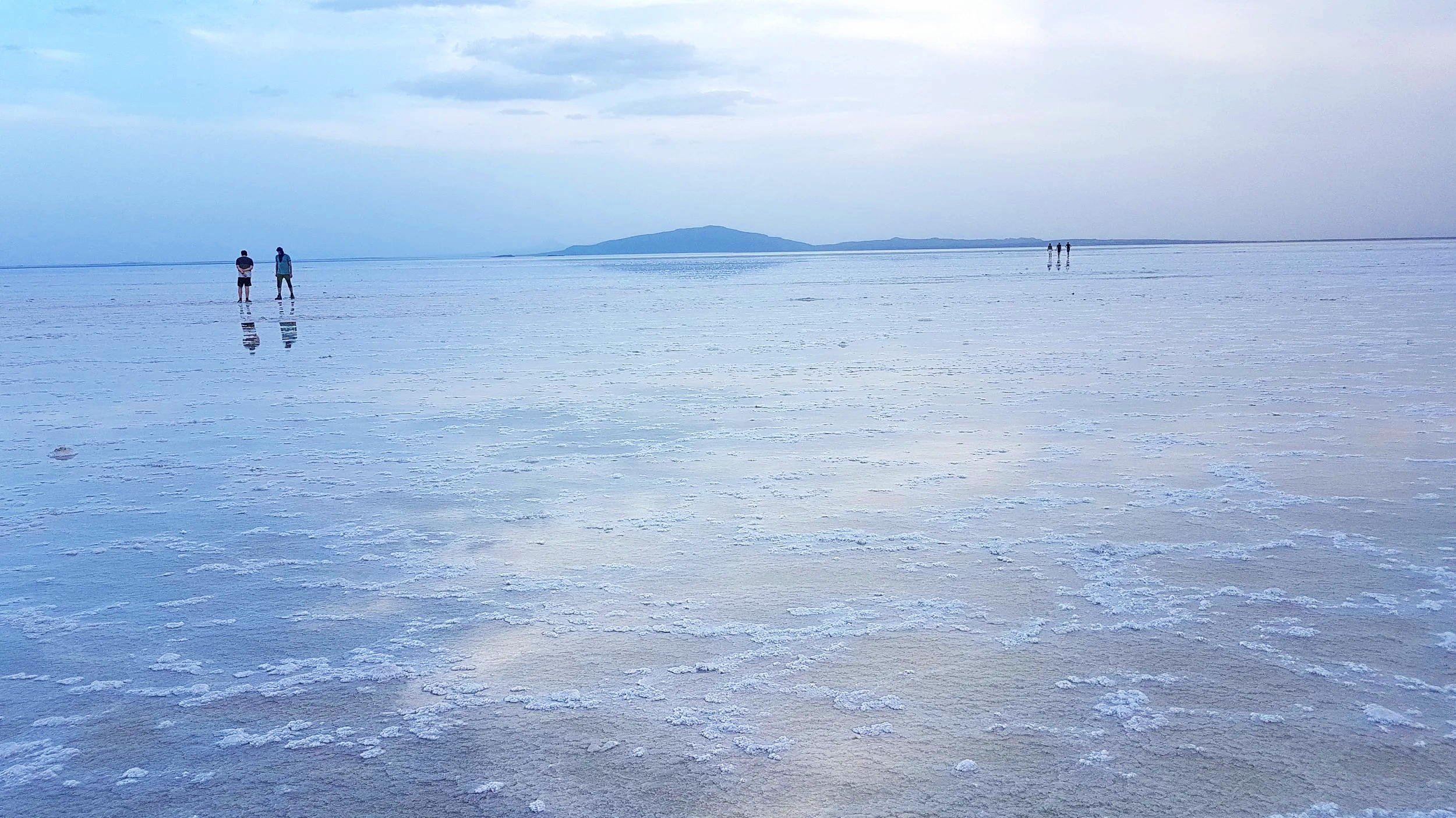
Ethiopia, volcanoes and tribes
Hiking, nature and culture
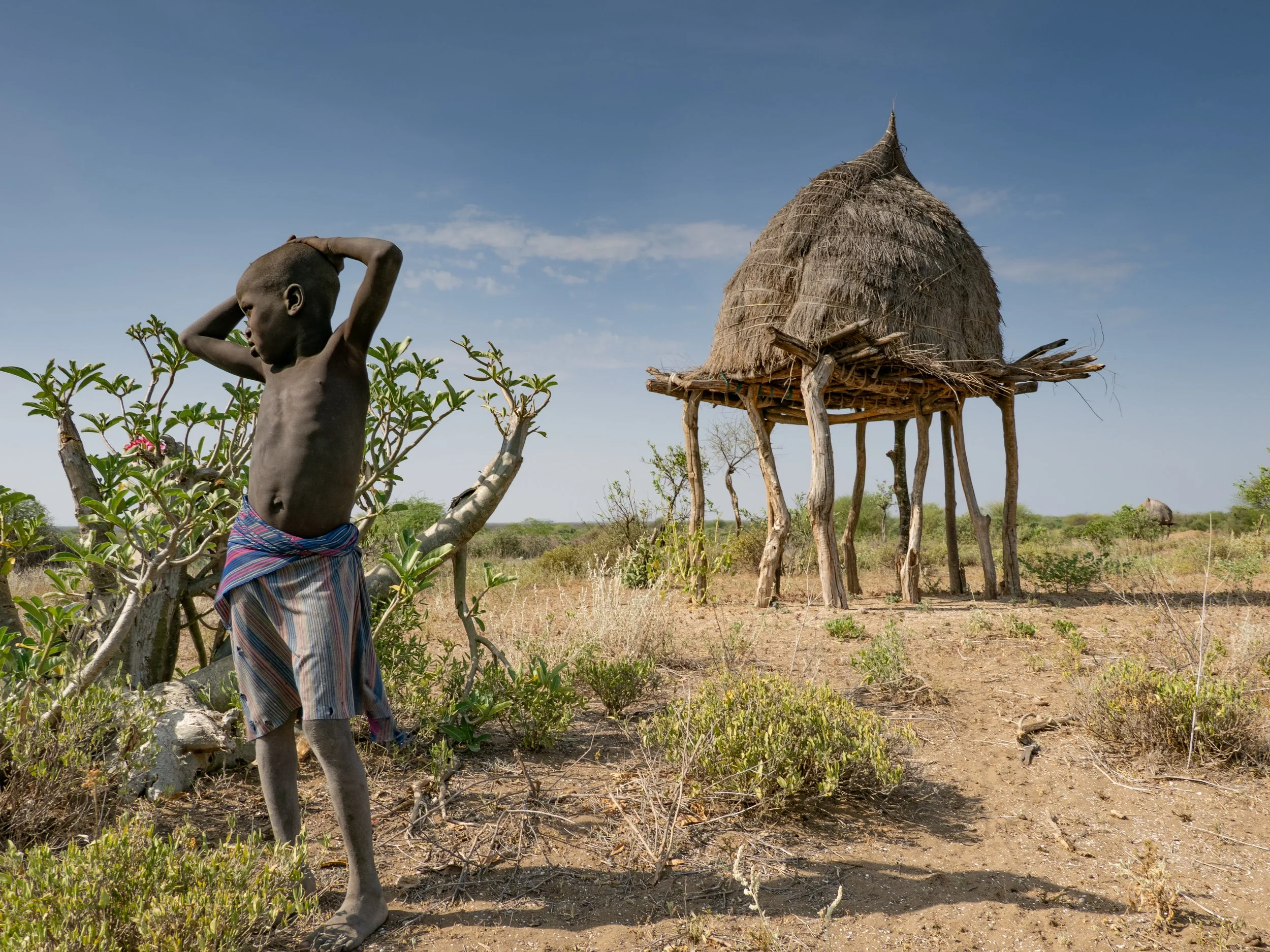
Ethiopia is a vast country rich in contrasts. This program explores two of its most striking and exotic regions: to the east, the immense Danakil Depression, with its volcanoes and salt lake, a unique mineral landscape; and in the far south, the legendary Omo Valley and its tribes, proud heirs to a rich and diverse ancestral culture.
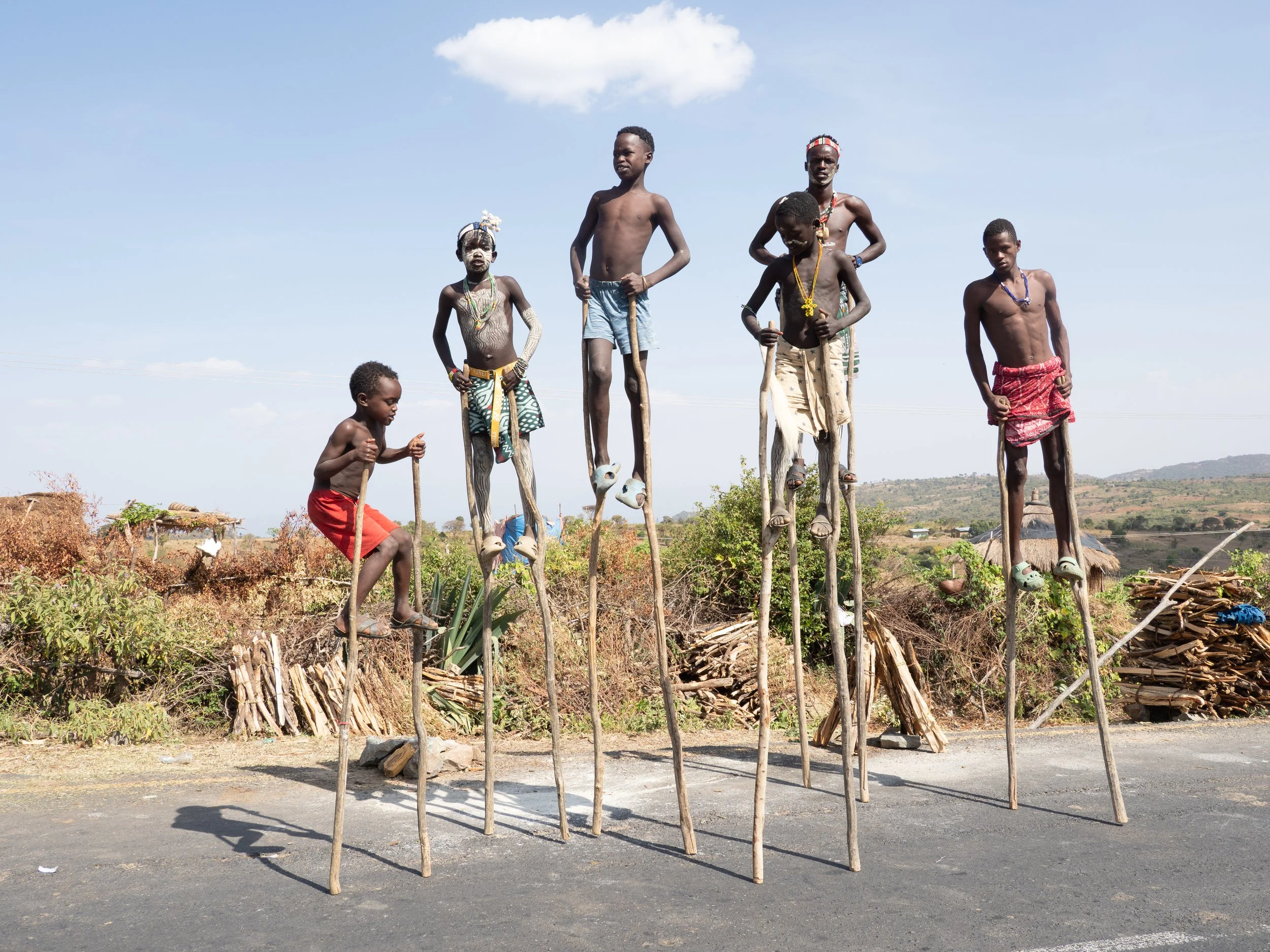
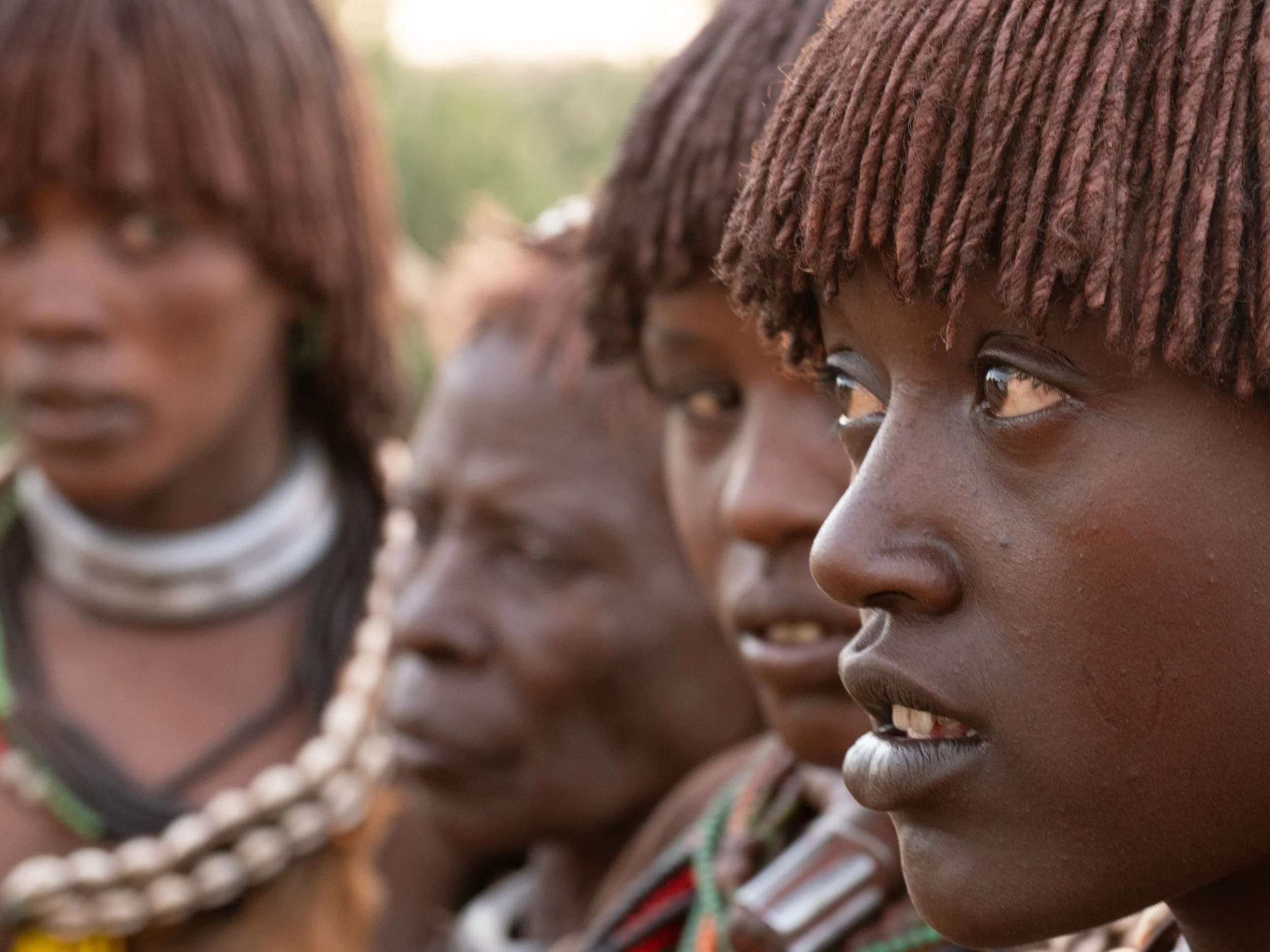
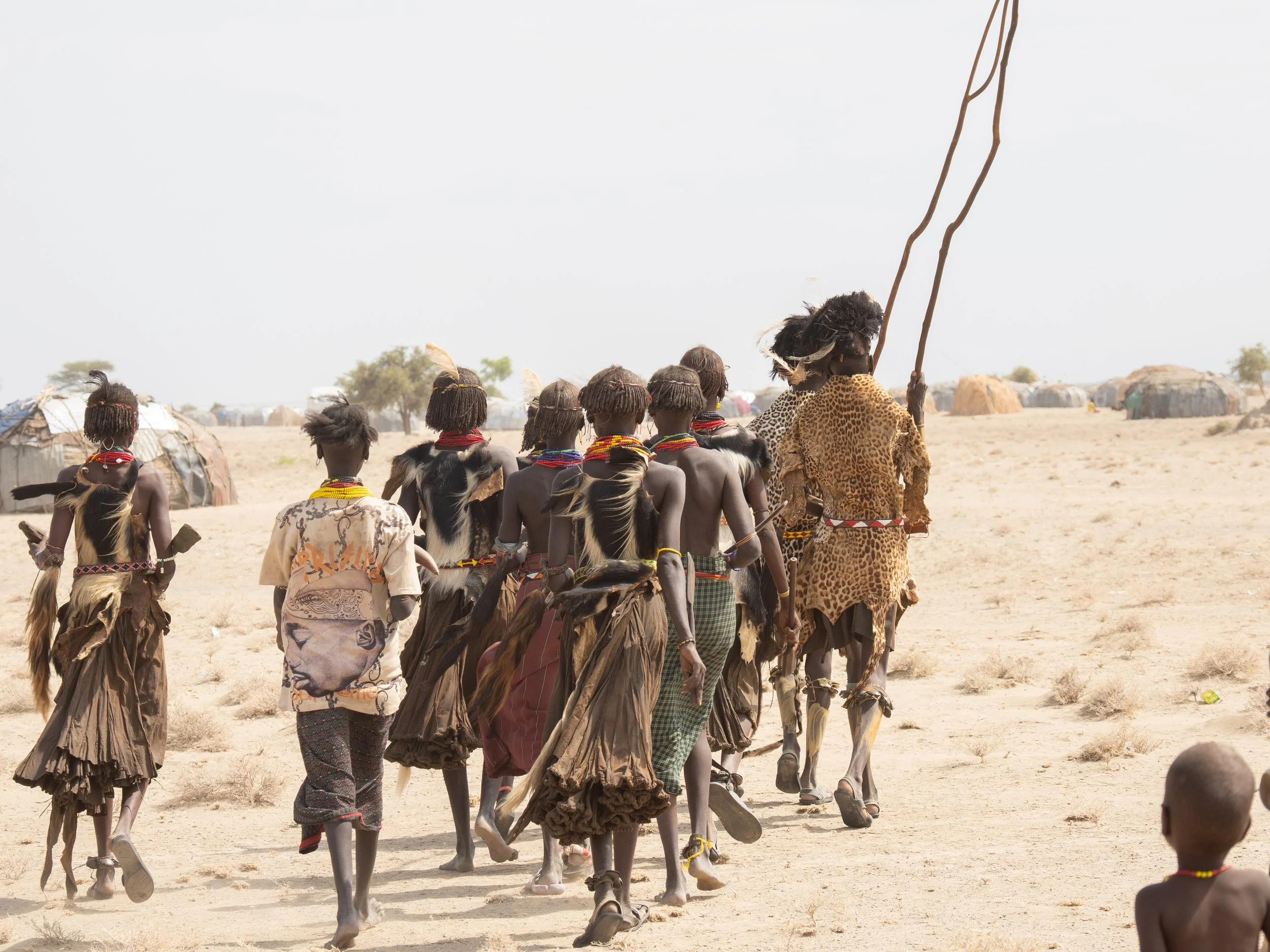
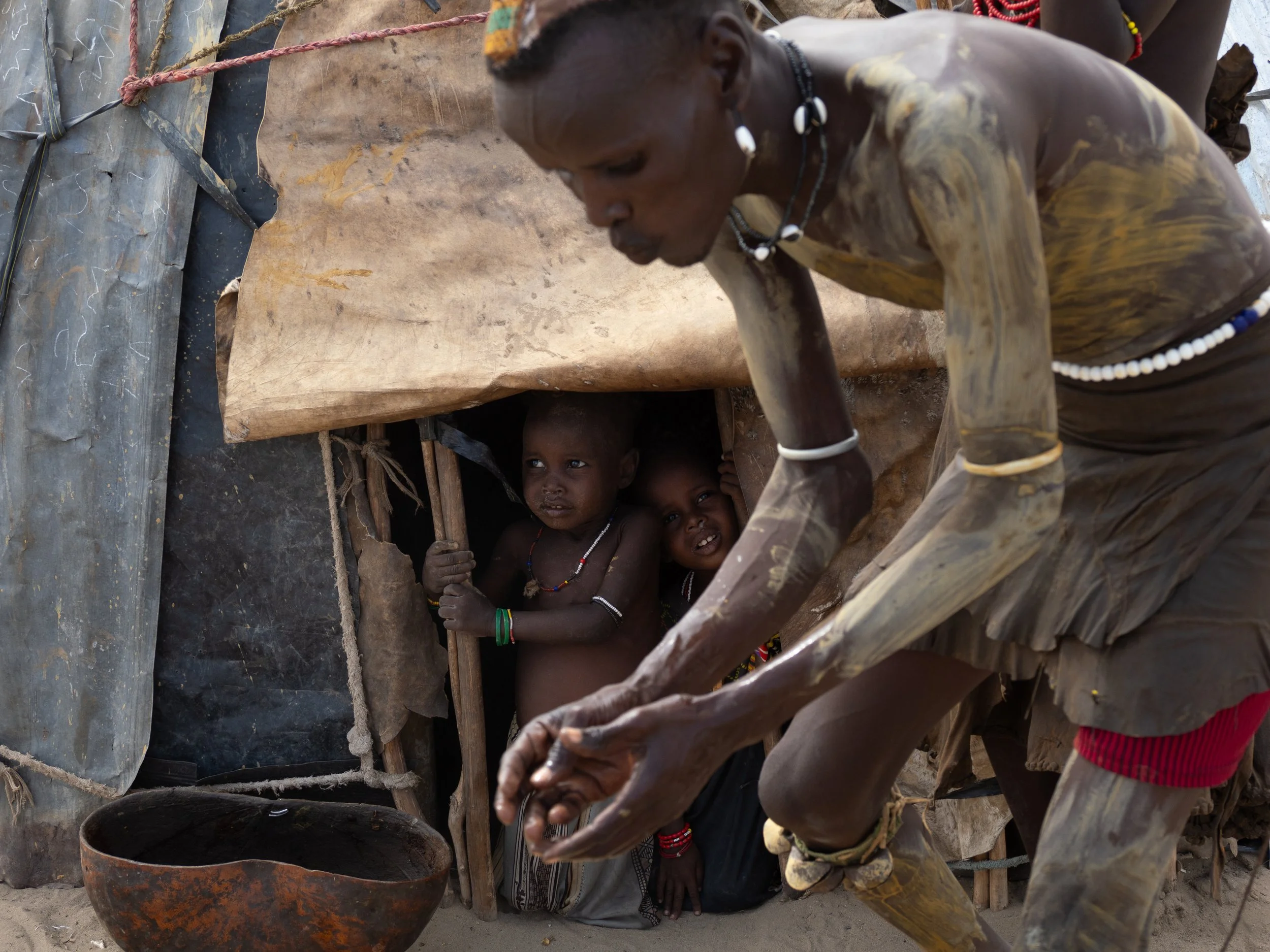
As usual, we will often travel on foot, exploring these regions of wild beauty and getting to know their people: the Afar of Danakil or the Mursi, Hammer, Arbora and Daannakech in the south.
From January 30th to February 14th
Price: €3,220
Trip in the process of being confirmed
The pluses of this program
2 regions - the Danakil and the Omo Valley - rich in contrasts.
Visit to the Erta Ale crater and its molten lava lake.
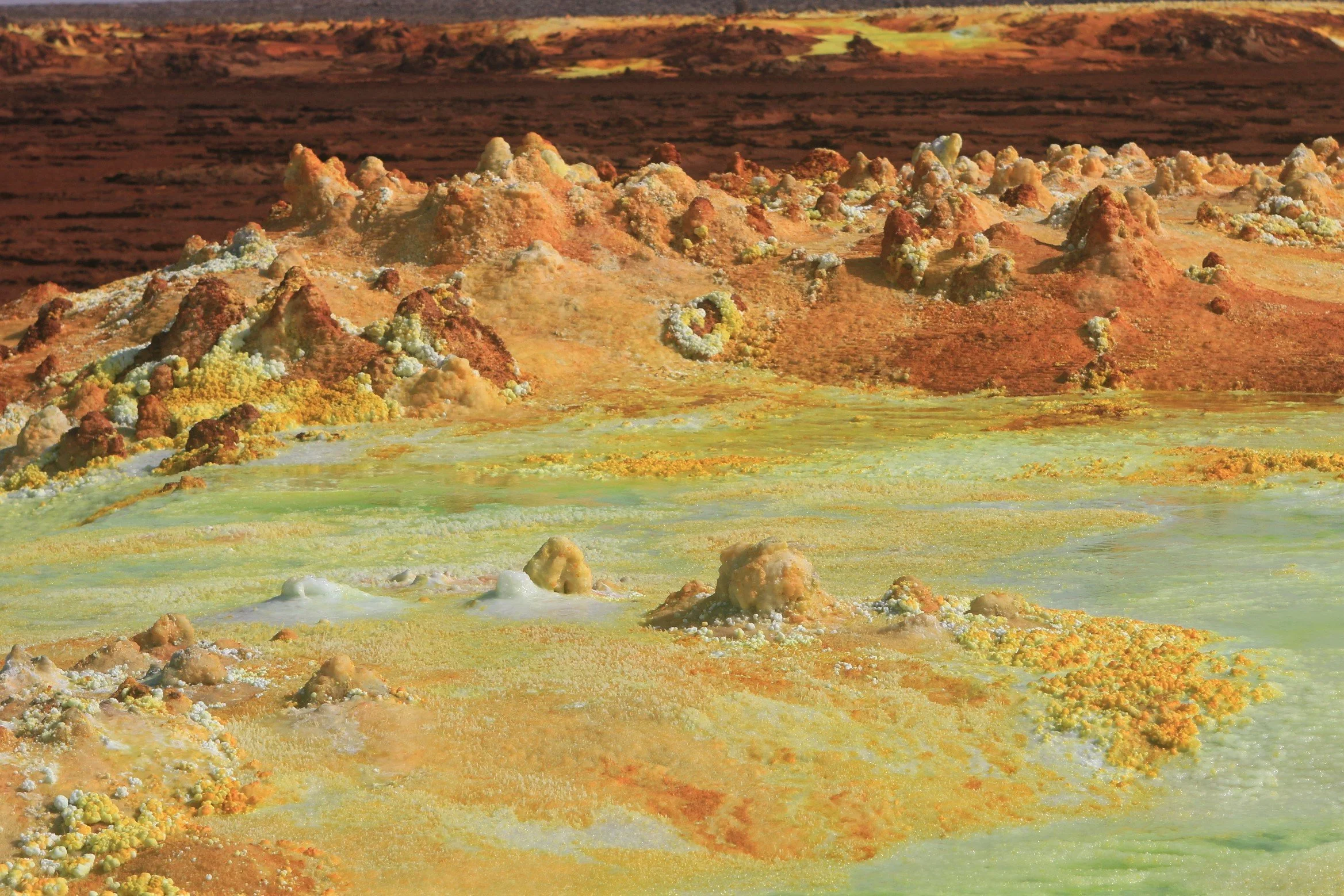
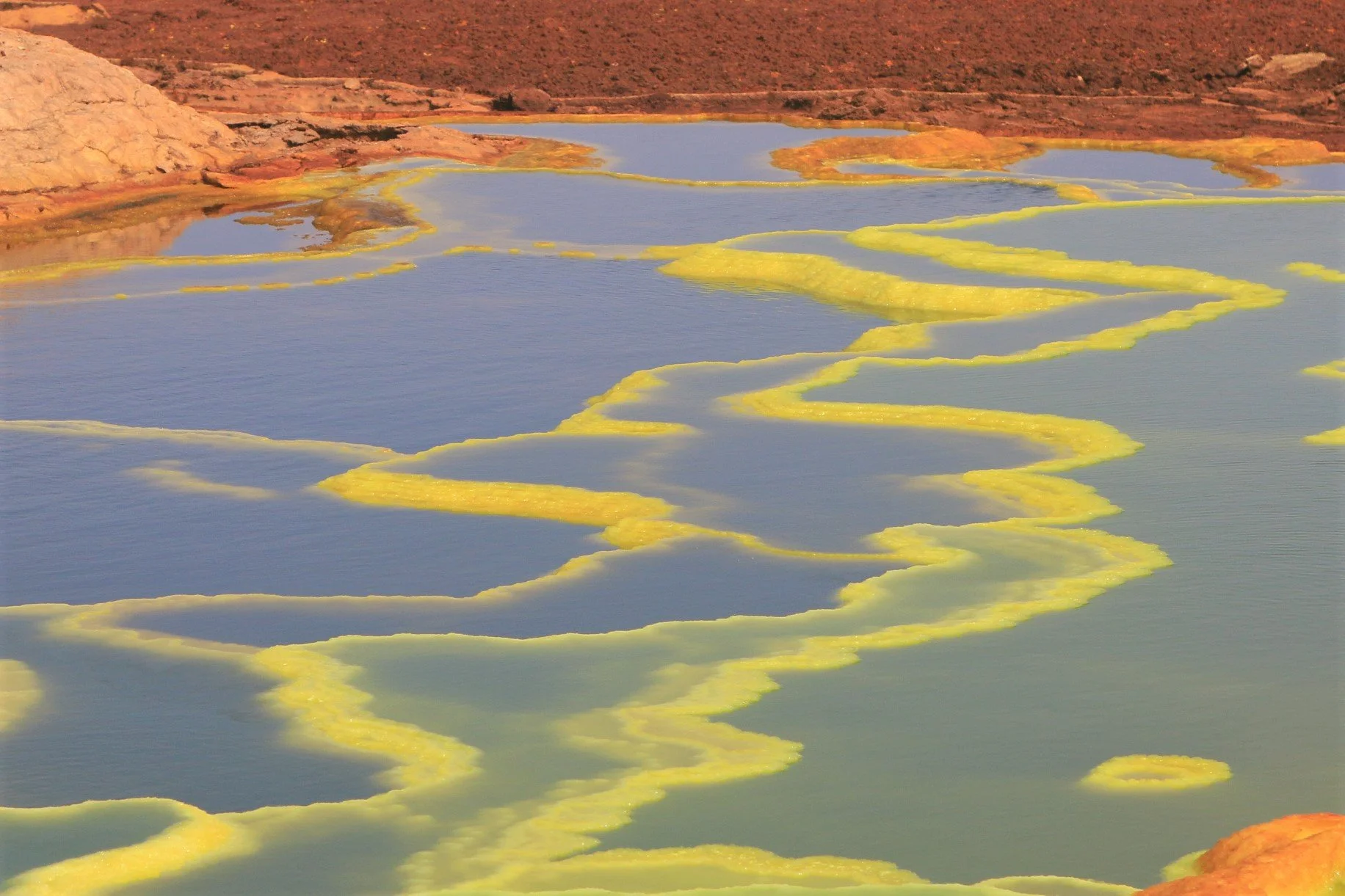
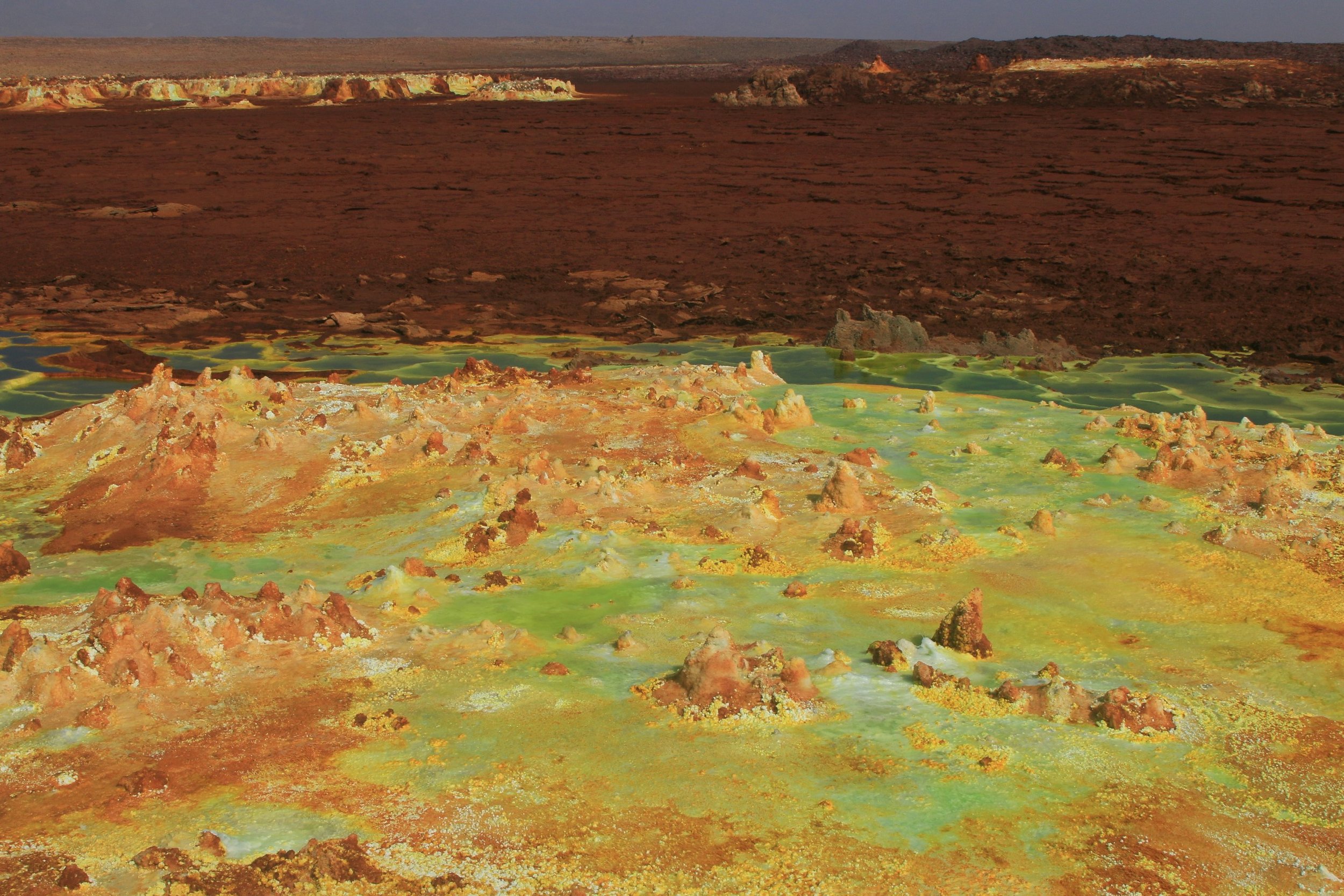
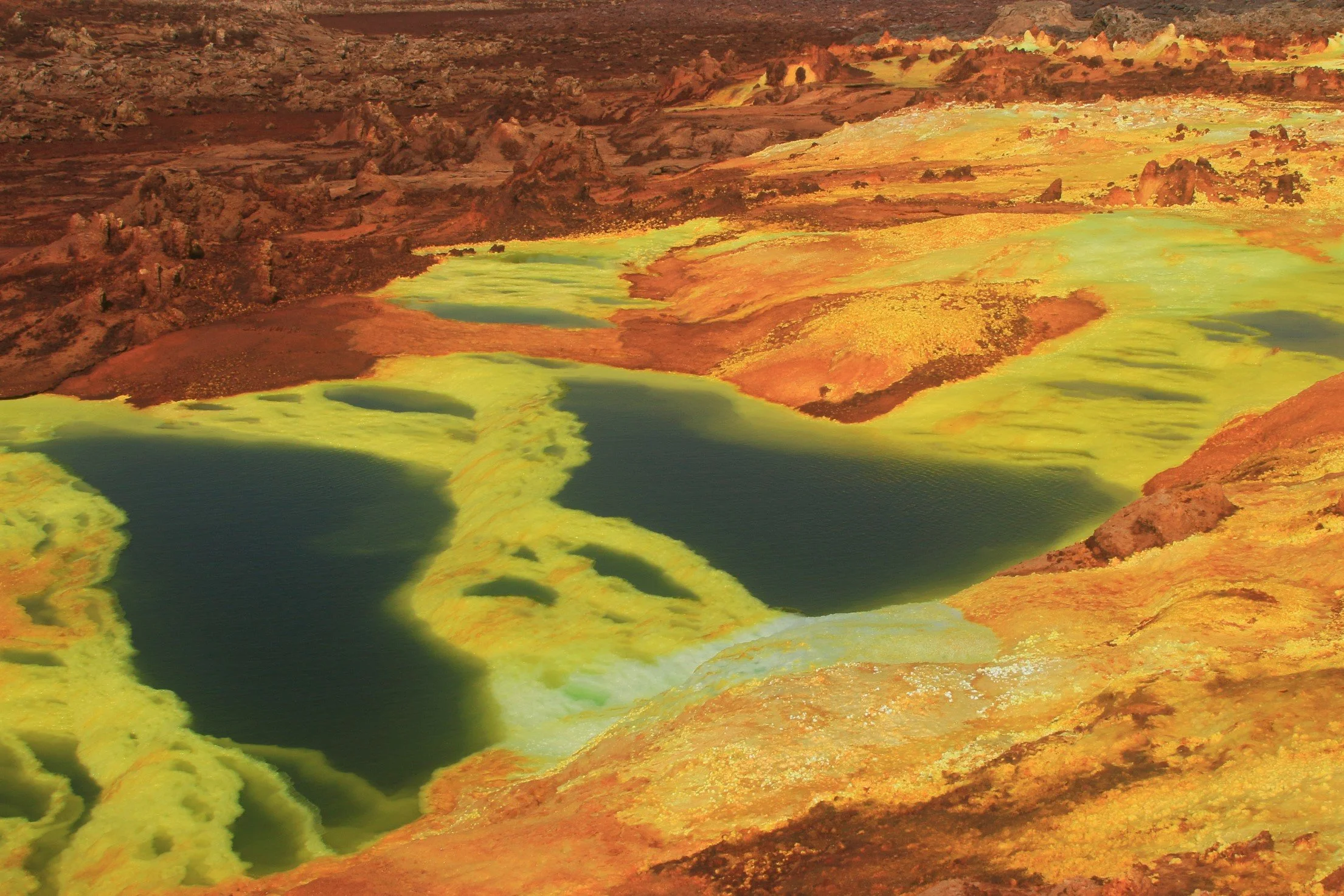
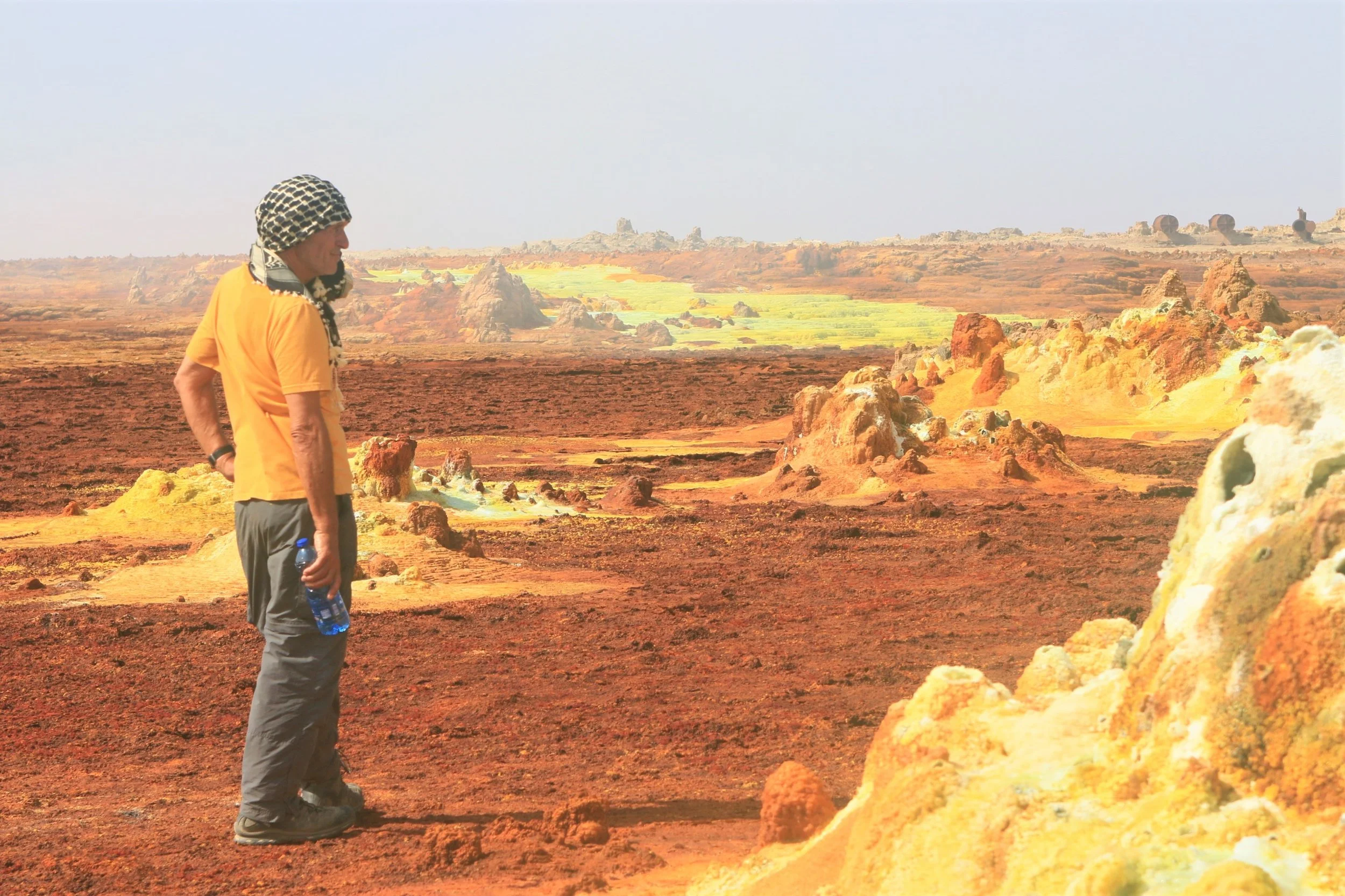
The Dallol and its unreal and unique colors.
The tribes of the Omo Valley and their ancestral culture.
A team of experienced guides.
Are you a family or group and want to privatize the trip by choosing
the dates?
PROGRAM
Day 0 (January 30) - Overnight flight Europe - Ethiopia
Flight not included (CONTACT US, we will advise you on the best options)
Day 1 - Arrival in Addis Ababa - sightseeing tour - flight to Semera.
Arrival at the airport and welcome by the guide.
Upon arriving in Addis Ababa, the capital of Ethiopia, you'll find that its altitude of 2,500 meters (8,500 feet) provides a pleasant climate. This record makes it the highest city in Africa and the fourth highest in the world. The morning begins with a local breakfast, followed by an immersion in the city's historical heart: the National Museum, home to the famous Lucy, or Dinknesh, "the marvelous one" to Ethiopians, whose skeletal replica can be admired. In the afternoon, transfer to the airport for your flight to Semera, the capital of the Afar region. After settling into your hotel, the day concludes with dinner under the stars in this land of contrasts.
Hotel accommodation
Day 2: Descent to the Afar Depression (Danakil) – Lake Afdera – Erta Ale
Sunrise in Afar: At first light, we set off in our 4x4 vehicles towards Erta Ale, crossing a desolate mineral landscape where lava fields and volcanic expanses stretch as far as the eye can see. The spectacle is breathtaking.
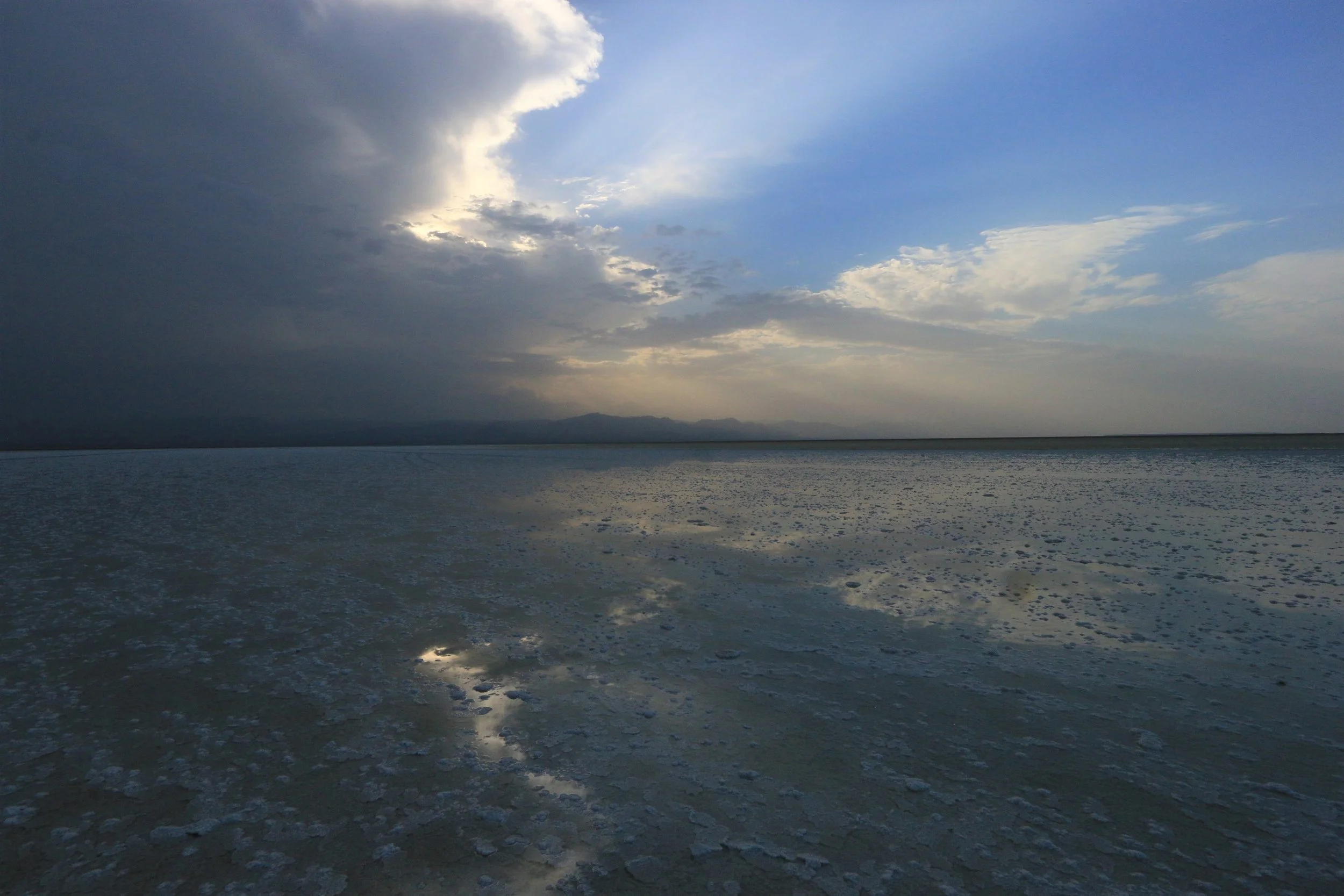
Stops and discoveries: Around midday, a break on the shores of Lake Afdera, a salt lake submerged 100 meters below sea level, surrounded by marshes. An opportunity to explore its shores, hot springs, and evaporation ponds before settling into a local restaurant for a typical lunch while completing the formalities for ascending the volcano.
Towards the lava giant: In the afternoon, the trail finally leads to the Erta Ale base camp. After settling in, it's time to explore the caldera and its craters, a fascinating sight both day and night. For the night, we offer volcanic rock huts, with three people per hut, or tents, if you prefer.
A world apart: The Afar Depression, home to the Afar nomads, lies at the crossroads of the Rift Valley, the Red Sea, and the Gulf of Aden. Here, the heat is extreme, the landscape harsh, but it is also one of the few places where a mid-ocean ridge emerges in the open. Between Africa and Arabia, earthquakes are frequent, a reminder of the powerful forces at play.
Erta Ale, a moving giant: Standing at 613 meters high, Erta Ale is a shield volcano with gentle slopes, extending over a base 30 kilometers in diameter. Its southern crater, 140 meters wide, contains a lava lake whose depth varies depending on the volcano's activity.
2.5 hours of hiking - 4.5 hours of travel - bivouac accommodation
Day 3 – A day between fire and salt: Erta Ale, Amedila and the salt pans
In the heart of the volcano: At dawn, I return to the Erta Ale caldera to explore the north and south craters, where the molten lava lake is revealed in a new light. The shadows and contours, transformed by the first rays of sunlight, offer an ever-changing spectacle.
From lava to palm trees: The descent to base camp marks the start of an hour-long hike to reach the 4x4 vehicles. We head towards a verdant oasis: a palm grove where we enjoy an impromptu lunch in the shade of the trees, before continuing our journey to Amedila. This village, nestled 100 meters below sea level, sits on the edge of the salt flats with Dallol visible on the horizon. We set up camp in a vast palm grove.
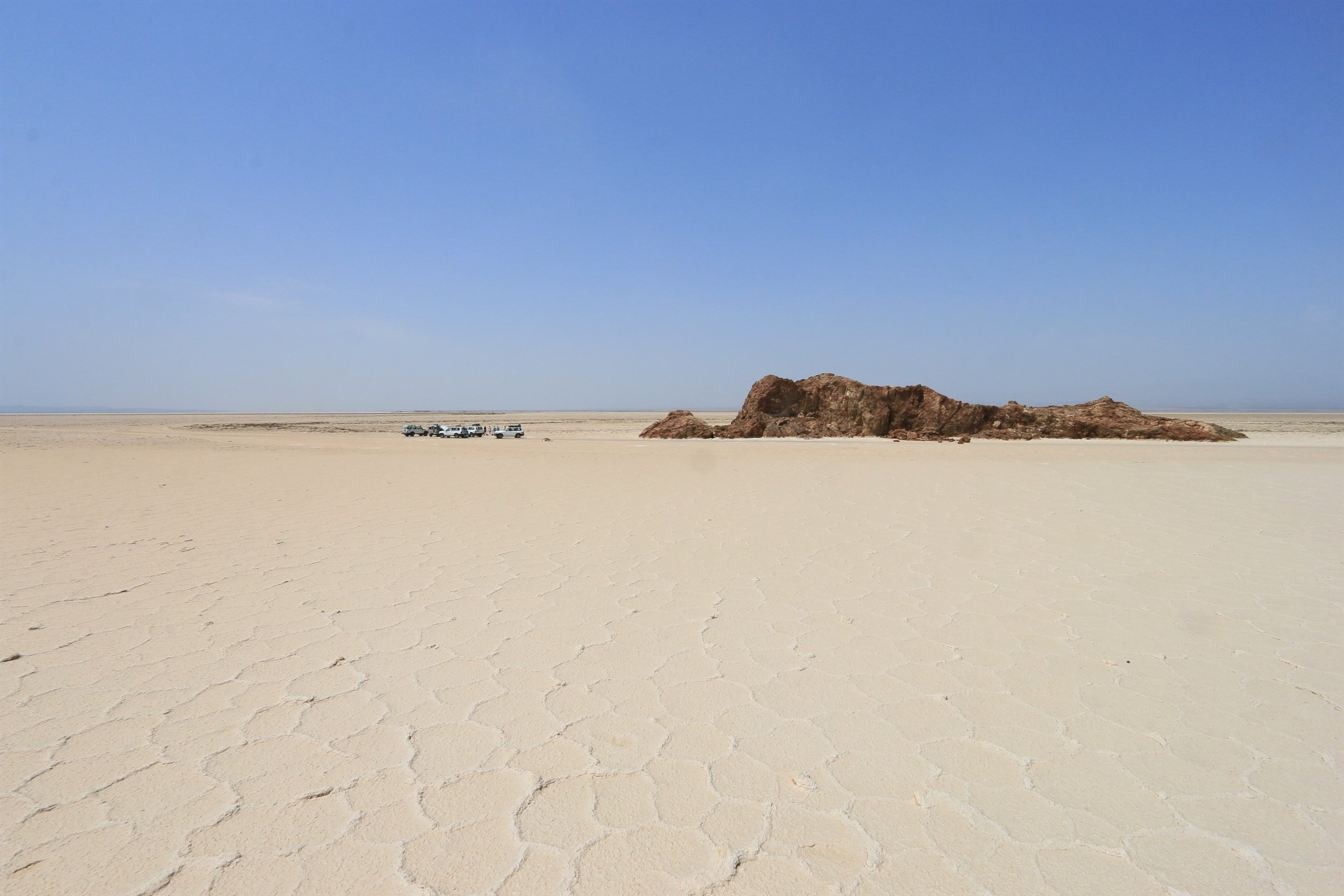
At the salt pans: In the afternoon, we head to the salt pans for our first exploration of the Dallol area, a lunar landscape of surreal colors. At the end of the day, the group stays near Lake Karoum, enjoying refreshments while watching the sunset over the shimmering white expanse of the salt pans.
Return under the stars: At the end of the afternoon we return to the palm grove, where dinner brings this intense day to a close, amidst the flames of the volcano and the serenity of the salt flats.
2-hour hike – Accommodation: Bivouac
Day 4 - Immersion in lunar traditions and landscapes: The Saba Palm Grove, Dallol and the salt pans
Tomorrow: Between salt and sulfur
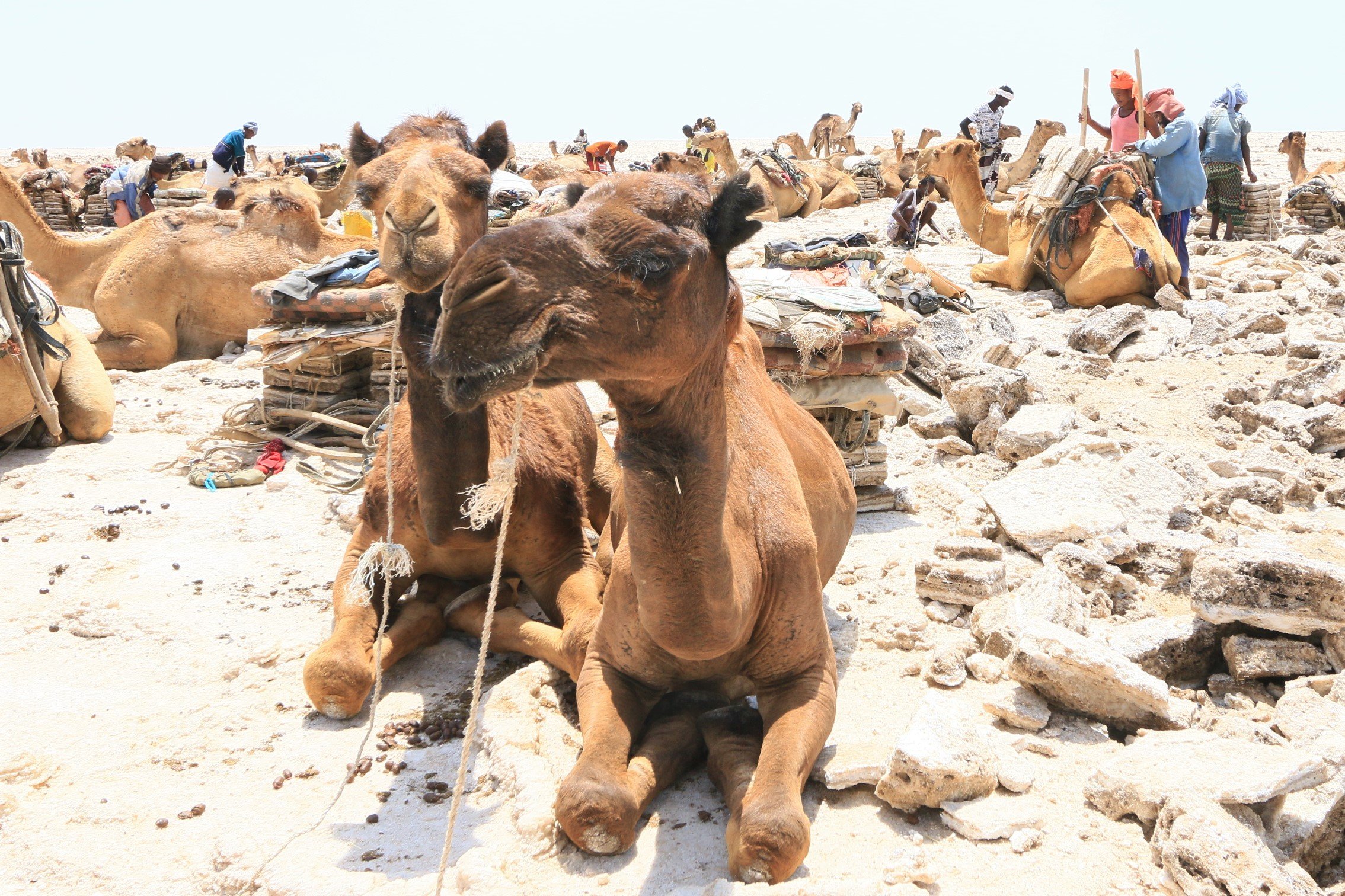
At dawn, we set off for the salt flats, where the Afar workers, present from sunrise several days a week, extract blocks of salt using ancestral methods. An immersion in timeless know-how, to the rhythm of precise movements and traditional tools.
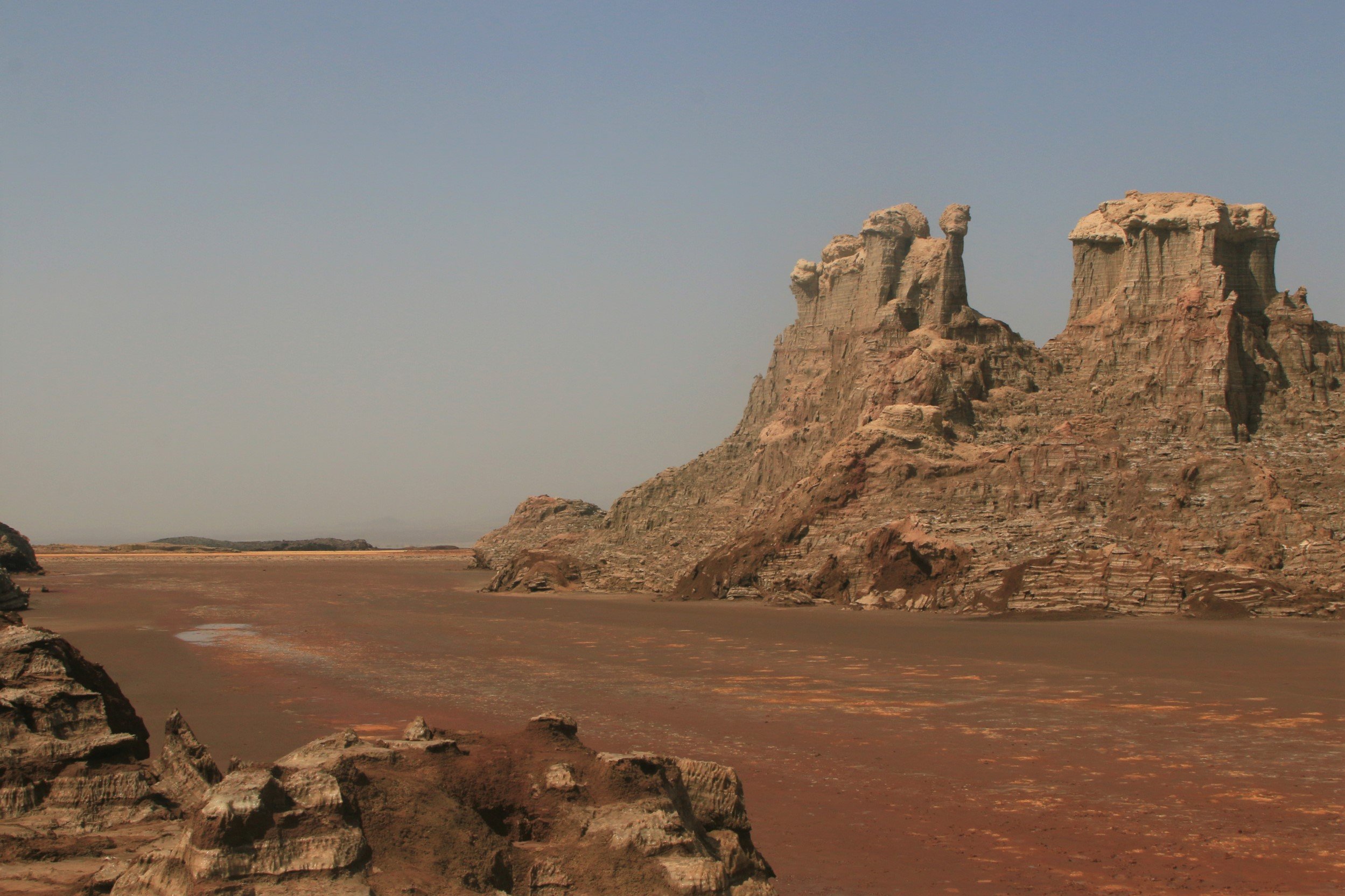
Next, we headed towards the Dallol volcano, a geological site unique in the world. After an approach hike, the crater reveals its petrified salt chimneys, its crystalline cave, and its acidic pools of unreal colors: sulfur yellow, red…
At the end of the morning, we returned to the Saba palm grove for lunch and to enjoy a well-deserved rest in the shade of the palm trees.
Afternoon: Encounters and Traditions
In the afternoon, a walk will take us to a traditional Afar village, where we will witness the coffee ceremony, a welcoming and emblematic ritual of the region. A moment to enjoy, share, and discover local customs before returning to the camp for dinner and a night under the stars.
Dallol: A Geological Gem
Dallol—a volcanic crater located below sea level—is famous for its spectacular mineral formations: hot acidic springs, sulfur mountains, salt columns, gaseous geysers, and colorful pools (white, yellow, green, and ochre-red), resulting from the presence of sulfur, iron oxide, and magnesium chloride. It is the only place in the world where such structures exist. At the heart of the area, a ghost town, a former potash mine abandoned by the Italians in the 1930s, bears witness to a bygone era.
3 hours of hiking – 2 hours of transfer – Accommodation: bivouac
Day 5 - Semera - Awash Dam - Ceremony at Mile Church - Semera
The sun is barely up as we drive towards Mile along a track that winds through the semi-arid plains. After about sixty kilometers, the landscape changes: first, we see the Awash Dam, a tranquil expanse of water that contrasts sharply with the surrounding aridity. Afar shepherds, wrapped in their sanafil (traditional garments), lead their flocks to the watering holes.
A little further on, a geothermal site appears, where fumaroles escape from the cracked ground, exhaling a pungent sulfurous odor. An Afar guide explains the hot springs, used for generations for their therapeutic properties.
Encounters with the Afar people and the savanna. The hike begins, and all around us we see nomadic villages with huts made of branches and hides, where women, adorned with colorful beaded necklaces, grind grain or weave mats. Further on, an endemic warthog, recognizable by its prominent tusks, buries its snout in the earth, while an oryx stands out against the horizon with its long, straight, sword-like horns.
Mile and Santa Maria. Our arrival in Mile coincides with prayer time. We visit the Church of Santa Maria, a small white stone building with thick walls where a religious ceremony is taking place. The faithful, dressed in white, sing in Amharic. We witness a ceremony filled with palpable fervor.
Return to Semera: Lunch, enjoyed in the shade of a centuries-old acacia tree, is a well-deserved moment of rest. The spicy flavors of the local dishes are delicious. Afterward, the journey continues toward Semera, where the landscapes unfold: endless steppes, distant mountains, and, occasionally, the shimmering reflection of a salt lake under the setting sun.
As evening fell, we arrived at our hotel where we settled in to spend our last night of this first part of the trip in the Afar region.
3.5 hours of hiking - Hotel accommodation - 1.5 hours of transfer
Day 6 – Semera - (Flight) HAWASSA - SIDAMA
Flight to Hawassa (with a layover in Addis Ababa), in the south of the country. Transfer to the lake to begin our journey south. The day begins exploring the western shore of Lake Hawassa, where the birdlife and panoramic views offer a tranquil introduction to southern Ethiopia. From the lake, we begin a trek south towards the Sidama region, passing through farmland, coffee plantations, and rolling countryside.
As we venture deeper into the Sidama region, we'll discover rural life and traditional farming practices. At night, we'll camp near a Sidama village, offering a unique opportunity to experience rural life firsthand.
2-hour hike - Accommodation in tents - 2-hour transfer
Day 7: Dorze Highlands
After breakfast, we'll head to the Guge Highlands, enjoying magnificent views of Lake Abaya. The landscape gradually transforms as we ascend, immersing ourselves in the fresh mountain air of the Dorze Highlands.
The Dorze people are famous for their distinctive beehive-shaped bamboo houses and textile traditions. Today's journey will take us through lush high-altitude forests and terraced hills, offering panoramic views of the Rift Valley. In the late afternoon, we'll camp near a Dorze village, where we can observe traditional weaving techniques and sample local cuisine.
2/3 hour hike - Accommodation in tents - 2 hour transfer
Day 8: Arba Minch and Konso
This morning, we'll head south and stop at Arba Minch for breakfast on the escarpment overlooking the lush Forty Springs Forest. The lookout offers a spectacular panorama of the twin lakes of the Rift Valley, stretching as far as the eye can see.
We will continue our journey to the Konso Cultural Landscape, a UNESCO World Heritage Site. The Konso people are famous for their intricately carved stone terraces, developed over generations to combat soil erosion and allow for sustainable agriculture in this rugged terrain.
We'll hike through terraced hills and visit a traditional Konso village to learn about their highly organized social structure. You'll see the remarkable waka, intricately carved wooden funerary stelae erected in honor of warriors and respected elders. In the afternoon, we'll camp near a Konso village, in the heart of the highland landscape.
2/3 hours of hiking - Accommodation in tents - 3 hours of transfer
Day 9: Arbore and Lake Chew Bahir
Today, our journey takes us through Tsemay territory toward the remote lands of the Arbore people, near Lake Chew Bahir. The landscape becomes increasingly arid and dramatic, marking our entry into the great Omo Valley.
We begin our trek near the seasonal shores of the lake with a visit to an Arbore village. There, we'll discover their unique cultural identity, including their intricately crafted beads, body ornaments, and elaborate hairstyles. In the afternoon, we'll traverse rugged, austere, and magnificent landscapes before arriving in Turmi for an overnight stay at Buska Lodge, where you can relax after this enriching day of exploration.
3-hour hike - Lodge accommodation in Turmi - 3-hour transfer
Day 10: Karo and the Omo River
After breakfast, we'll head west to visit the Karo fishing village, which inhabits the hills overlooking the Omo River. The Karo are famous for their expressive body painting traditions, using white chalk and natural pigments to create intricate and symbolic designs.
In the village of Dus, one of the most beautiful spots in the valley, we'll enjoy breathtaking views of the river. The day includes a hike along the riverbanks and through the riparian forest, allowing us to observe daily life and pastoral activities. In the afternoon, we'll camp near the river, immersed in the natural beauty and rich cultural heritage of the Karo region.
3/4 hour hike - Accommodation in tents - 2 hour transfer
Day 11: Daasanach
This morning, we'll travel south to Lake Turkana, the world's largest desert lake. The surroundings are rugged and awe-inspiring, sculpted by wind, sun, and water.
We will travel through the lands of the Daasanach, semi-nomadic pastoralists who have remarkably adapted to this harsh climate. A visit to a Daasanach community will offer us a glimpse into their resilient way of life, their distinctive beadwork, and their unique hairstyles. Weather permitting, we will have the opportunity to witness aspects of traditional ceremonies, such as the Dimi fertility rite, an important event for the community. We will camp near a Daasanach village, enjoying the tranquility of this remote border region nestled between the waters of the Turkana River and the desert sands.
2.5 hours of hiking - Accommodation in tents - 2.5 hours of transfer
Day 12: Hamer and Banna
To the north, we enter Hamer territory, home to one of the most culturally vibrant communities in the Omo Valley. A hike through the Buska Mountains reveals breathtaking landscapes of acacia forests and open savanna.
In a Hamer village, we'll discover their famous ochre-dyed hairstyles, leather clothing, and ancestral customs. Cultural practices remain fundamental to daily life, and with a bit of luck, we might witness local ceremonies or gatherings.
In the afternoon, we'll explore the Banna region, where we can see children walking on stilts—a tradition that arose as an ingenious solution to seasonal flooding and isolation. The day concludes with an overnight stay at the Eyob Hotel in the small town of Jinka.
2/3 hour hike - Hotel accommodation - 2.5 hour transfer
Day 13: Aari Highlands and Flight to Addis Ababa - Departure
On our final day, weather permitting, we'll embark on an early morning hike through the fertile hills of the Aari region. The Aari people are renowned for their agricultural way of life and their warm hospitality. Passing through small villages and cultivated fields will offer us one last glimpse into the cultural diversity of southern Ethiopia.
After the hike, transfer to Jinka Airport for your flight back to Addis Ababa. Later, continue with your return flight from Addis Ababa to Europe. Most flights arrive the following day (overnight flight).
Day 14. Arrival in Europe
Important information
Accommodation
Small hotels and bivouacs in the Danakil Depression, then camps, lodges and hotels between Awasa and the Omo Valley.
Meals
Meals are provided at the lodges during the Danakil Depression section of the trek. A cook accompanies us on the stretch from Awasa to the Omo Valley. The food is varied, fresh, and delicious.
Personal equipment
Travel bag. Hiking boots. Backpack with a capacity of 20 to 35 liters. Sleeping bag (comfort temperature 15ºC). Clothing suitable for hiking in warm climates. You will receive a complete packing list tailored to this trip upon registration.
Transport
4x4 vehicles. 3 indoor flights included.
Difficulty level 2/5
2 to 4.5 hours of walking per day.
Group size
Maximum 10 people.
Luggage
During the activities and hikes, we only carry a light backpack with our gear for the day and our picnic lunch. Everything else is transported by car.
Insurance
Insurance is not included in the price but is mandatory for the trip. Exploramunt does not offer insurance, but you will find everything you need on the website (we can also advise you). It is recommended to have insurance that covers accidents and mountain rescues, as well as helicopter transport. Some federation insurance policies cover this, and you should also have (it can be the same or different policy) travel and cancellation insurance. Some credit cards, such as Visa Gold, include travel insurance if you pay for the trip with them. In our case, you can pay for the trip by card through a secure bank link (you can request this payment method when registering).
Prices and conditions
Price: from €3,220
Single room/shop supplement: 375€
Included in the price: Full board from day 1 to day 13, except lunch and dinner on day 14. 3 domestic flights (day 1: Addis Ababa - Semera // day 6: Semera - Addis Ababa - Awassa // day 13: Jinka - Addis Ababa). All transfers and activities described in the program.
Not included in the price: International flights. Lunch and dinner on the 14th. Tips. Drinks. Insurance.
Note regarding international flights: the approximate price for a round trip from Europe is between €750 and €850. Please contact us at the time of registration and we will advise you free of charge on purchasing your flight.